Decks With a Scenic View: Design Tips for Beautiful Locations
Designing decks in scenic locations presents particular advantages and obstacles. Strategic situating can improve sightlines and sunlight. Selecting designs and materials that harmonize with the environment is essential. Privacy concerns often arise, demanding thoughtful landscape planning. Together, these factors create a comfortable and useful outdoor environment. Appreciating these aspects can improve the article entire outdoor experience. What essential points should be remembered for optimal design?
Frequent Challenges in Deck Design
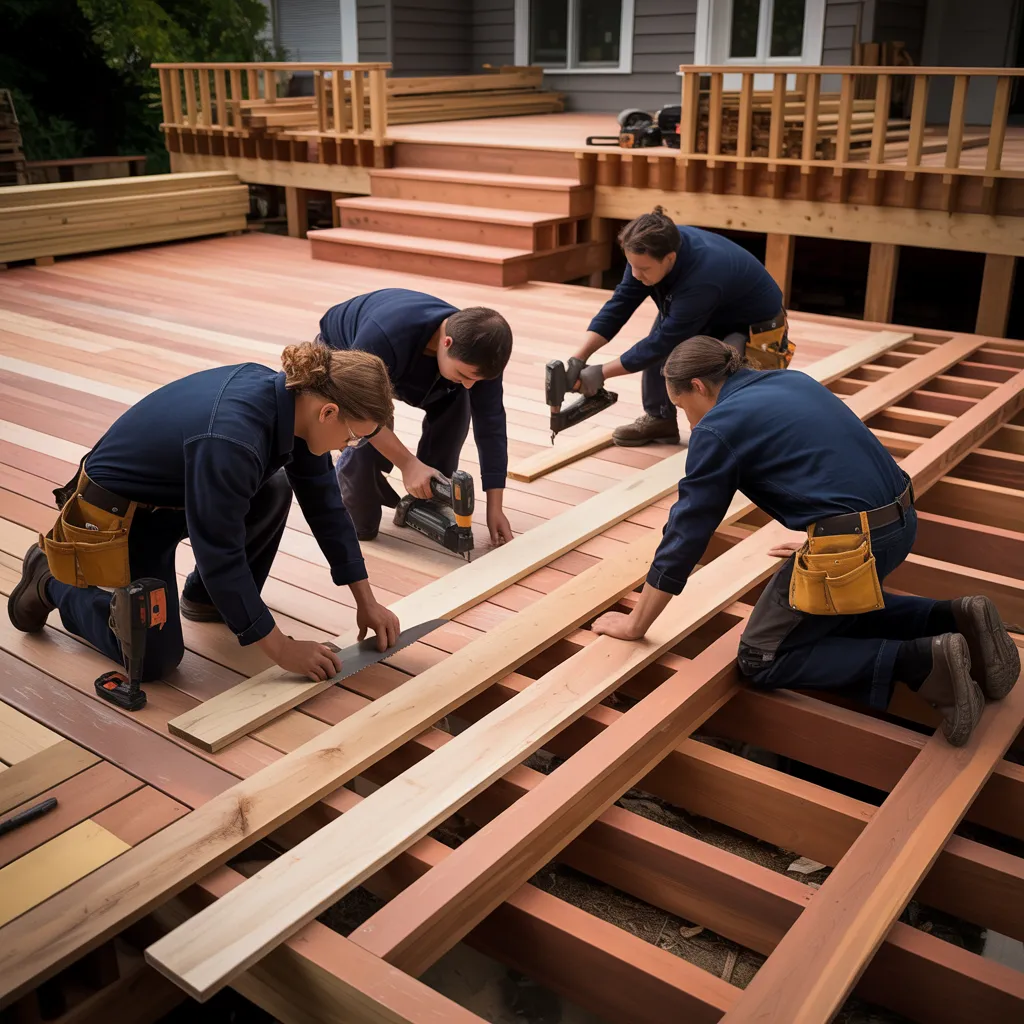
Planning attractive decks frequently involves a number of obstacles that can hinder the undertaking. One significant issue is the ground conditions; sloped land can hinder the groundwork, necessitating additional engineering solutions. In addition, the adjacent surroundings must be factored in, such as surrounding plant life and wildlife, which can influence both appearance and practicality. Weather conditions also create obstacles; decks in regions experiencing harsh weather or significant precipitation call for thorough preparation to secure long-lasting performance and security.
An additional challenge involves local building codes and zoning regulations, which often enforce constraints on the size, height, or materials of a deck. These regulations can limit design flexibility and require thorough research before proceeding. Additionally, striking a balance between visual appeal and functionality can be challenging, as designers aim to create visually appealing spaces while also making sure they remain functional and accessible. Tackling these difficulties calls for strategic planning and inventive problem-solving.
Selecting the Best Materials for Your Deck
Picking the right materials for a deck is crucial, as it greatly affects both the structure's longevity and overall appearance. Property owners often weigh options such as wood, composite, and metal. Natural wood provides warmth and character but demands routine care to prevent decay or splintering. On the other hand, composite materials offer long-lasting performance with minimal upkeep, withstanding discoloration and environmental wear, making them an attractive option for beautiful outdoor environments.
Metallic materials, such as aluminum, are celebrated for their durability and rust resistance, ideal for seaside locations. Every material offers unique benefits, and the decision should be guided by the local environment, maintenance expectations, and architectural vision. Moreover, eco-conscious alternatives are becoming increasingly sought after, drawing interest from green-minded consumers. Ultimately, the preferred materials must complement the existing environment while enhancing the property's structural aesthetic, guaranteeing a harmonious and attractive outdoor setting.
Make the Most of Your Deck Layout for Stunning Views
To build a visually striking deck, deliberate planning of the layout is vital. Careful placement, elevation, and furniture layout can greatly enhance the overall experience by maximizing scenic views. By prioritizing these features, one can convert a basic deck into a charming outdoor sanctuary.
Positioning for Optimal Impact
Thoughtfully situating a deck can substantially elevate the entire experience, maximizing breathtaking views and natural light. The orientation of the deck should be carefully considered, confirming it looks out over the most beautiful terrain, whether it be mountains, lakes, or gardens. Introducing angled configurations can produce exceptional lines of sight, providing diverse viewpoints without interference. Moreover, accounting for surrounding greenery can naturally frame the outlook, contributing richness and character. Orienting the deck to capture sunlight during golden hours amplifies its charm, promoting enjoyment of the outdoor space all day long. Integrating features like low walls or railings can maintain sightlines while providing safety. At its best, strategic positioning converts a basic deck into a stunning outdoor haven, beautifully uniting architectural elements with the surrounding landscape.
Elevation and Perspective Considerations
When examining height and viewpoint, a thoughtfully crafted deck can greatly enhance the visual enjoyment. Height serves a critical function in enhancing breathtaking scenery; even a slight increase can substantially transform sight angles. Raised deck installations can embrace wide-ranging views, while lower decks may be hindered by vegetation or buildings.
Incorporating multiple tiers in the deck structure can greatly enhance sightlines, allowing for diverse vantage points. Positioning the deck at an angle or including overhanging portions can also generate an impressive visual impact. Furthermore, adjusting the deck's alignment with prominent landmarks or natural features ensures the finest views remain the focal point. In the end, deliberate consideration of height and sightline factors convert an ordinary deck into a captivating observation space, encouraging occupants to embrace the beauty around them.
Furniture Layout for Views
An effective furniture arrangement can considerably elevate the overall ambiance on a deck. To maximize the design potential, positioning seating facing the best views is essential. Opting for low-profile furniture creates unobstructed sightlines, delivering a more engaging atmosphere. Clustering items in a circular or semi-circular formation fosters conversation while maintaining visual attention on the scenery. Adding side tables can enhance usability without obstructing the landscape. Integrating movable furniture allows for adjustments, permitting individuals to reconfigure the setup based on changing light conditions or individual taste. Furthermore, using cushions and throws can promote tranquility, making the deck a welcoming space. Ultimately, a thoughtful arrangement not only optimizes perspectives but also shapes the deck into a harmonious extension of the encompassing scenery.
Incorporate Comfortable Seating for Relaxation
Creating a stunning deck necessitates mindful consideration of seating solutions to boost relaxation. Inviting seating plays a pivotal role in turning an outdoor space into a serene retreat. Opting for padded lounge chairs, hammocks, or integrated benches can inspire visitors to spend more time while taking in the scenery. Materials must balance durability and comfort; weatherproof fabrics and solid frames are critical for endurance.
Additionally, the arrangement of seats should encourage conversation and connection with the surrounding area. Clustering seating in small groups can establish a cozy ambiance, while a lone chaise lounge encourages peaceful solitude. Introducing cozy throws or decorative pillows lends a welcoming quality, creating a more welcoming atmosphere.
At the end of the day, well-chosen choices in seating do more than enhance comfort by also promoting a sense of tranquility, permitting individuals to deeply engage with the scenic environment of their deck.
Achieving Privacy and Views Through Strategic Landscaping
To establish a harmonious balance between privacy and scenic views, careful landscaping is paramount. Residents can employ ornamental grasses, trees, and shrubs to create natural barriers that shield the deck from prying eyes while keeping unobstructed views of the scenery. Choosing appropriate plant varieties is critical; large evergreen trees offer continuous seasonal coverage, while deciduous trees offer seasonal privacy.
Layering plants adds visual depth and intrigue, allowing homeowners to design sightlines that enhance views without sacrificing seclusion. Moreover, adding vertical structures such as trellises or lattice panels can more clearly outline space without interrupting the horizon.
Careful attention to plant positioning is crucial; placing plants at diverse heights makes certain that beautiful panoramas are preserved from the deck. At the end of the day, a thoughtfully conceived landscape design not only boosts privacy but also highlights the breathtaking surroundings, crafting a serene outdoor haven.
Creative Lighting Suggestions to Create the Perfect Ambiance
How does well-chosen lighting convert a deck into a comfortable haven? Thoughtfully chosen lighting can greatly enhance the ambiance, making the space more inviting. Subtle, warm glows establish a soothing setting, while string lights or lanterns bring a delightful decorative flair. Adding dimmable lighting options provides effortless atmosphere control, suiting a range of occasions, from romantic evenings to energetic social events.
In addition, incorporating a layered lighting approach—such as floor lamps, wall sconces, and recessed lights—creates both functionality and aesthetic appeal. Solar-powered lighting present an eco-friendly option, illuminating pathways requiring no electrical connections. Candles, whether real or LED, introduce a flickering glow that elevates the atmosphere of outdoor evenings.
Showcasing landscaping elements or architectural details with focused lighting can also draw the eye and create depth. Ultimately, the ideal lighting transforms a simple deck into a serene retreat, encouraging relaxation and enjoyment of the surrounding views.
Making Your Deck Weather-Ready for Year-Round Pleasure
While outdoor areas are frequently exposed to the elements, effective weatherproofing can guarantee that a deck remains a comfortable retreat throughout the year. Essential approaches involve choosing long-lasting materials like composite decking, which withstands fading and warping. Furthermore, using a premium sealant can shield wooden surfaces from moisture and harmful UV rays.
Including water management solutions is vital; proper slope design and gutter systems help direct water away from the deck. Using weatherproof furniture and cushions further enhances the space, ensuring comfort regardless of the season.
Adding a pergola or awning offers shade on hot summer days while supplying cover from light rain. Moreover, investing in outdoor heaters or a fire pit creates warmth for chilly evenings, extending usability into colder months. By applying these weatherproofing methods, homeowners are able to enjoy their scenic decks throughout the year, enhancing both beauty and functionality.
Keeping Your Deck in Great Shape for Lasting Appeal
Keeping up a deck requires routine care to protect its appearance and structural stability over time. Routine inspections should be carried out to detect signs of deterioration, such as warped planks, rusted hardware, or splintering wood. Regularly washing the surface with a gentle detergent and a fine-bristled brush helps remove debris and prevent mold accumulation.
Sealing or staining the deck every few years guards against moisture and ultraviolet damage, promoting long-term durability. It is also essential to check for proper drainage to avoid water pooling, which can lead to deterioration.
Furthermore, trimming surrounding vegetation keeps leaves and debris from collecting on the deck. By consistently carrying out these maintenance tasks, homeowners can strengthen their deck's durability, ensuring it remains a beautiful and functional space for years to come. This forward-thinking approach not only maintains the deck's visual appeal but also protects the investment made in the scenic outdoor space.
Frequently Asked Questions
How Do I Choose the Best Location for My Deck?
To choose the ideal spot for a deck, homeowners should consider aspects such as natural light, seclusion, closeness to the home, wind patterns, and the surrounding landscape to maximize both functionality and aesthetic appeal.
What Are the Optimal Times of Year for Deck Construction?
The optimal times for deck installation are typically early fall and spring. These times of year provide favorable weather conditions, helping to avoid interruptions from extreme temperatures or precipitation, creating perfect conditions for construction and material placement.
Can I Build a Deck on a Sloped Area?
Yes, constructing a deck on a uneven area is feasible. Thorough planning and solid structural support are necessary to secure stability and safety. Working with a professional can assist in addressing the challenges that come with sloped construction.
What Permits Do You Need for Deck Construction?
Prior to building a deck, you will generally require a construction permit, zoning authorization, and potentially ecological permits, based on local requirements. Contacting the relevant local agencies ensures adherence to municipal codes, safety protocols, and property standards.
How Do I Integrate My Deck With Existing Outdoor Features?
To incorporate a deck with existing outdoor features, one should assess alignment, materials, and landscaping. Creating seamless changes, using coordinating colors, and elevating adjacent elements can foster harmony and elevate the general visual appeal.